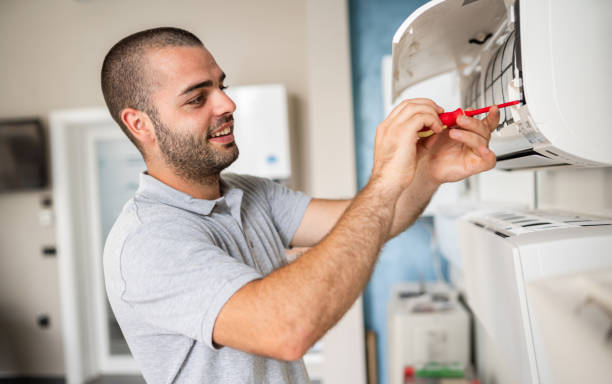
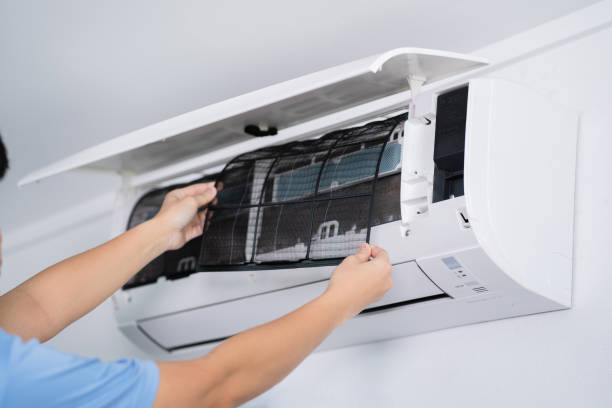
Your HVAC system plays a vital role in maintaining a comfortable indoor environment, ensuring proper heating, cooling, and ventilation throughout the year. However, like any mechanical system, it can develop issues over time that may lead to inefficiencies or complete failure. Recognizing the signs of an underperforming or failing HVAC system early on can save you time and money while preventing unnecessary discomfort.
Common Signs That Your HVAC System May Be Failing
- Uneven heating or cooling in different areas of your home.
- Rooms that are too hot or too cold despite thermostat adjustments.
- Grinding, squealing, banging, or rattling sounds coming from the HVAC unit.
- Persistent noise during operation that wasn’t present before.
- A sudden spike in your utility bills without a corresponding change in usage habits.
- Inefficient energy usage due to aging components.
- The system turns on and off more frequently than usual (short cycling).
- Difficulty maintaining a consistent temperature.
- Increased dust, debris, or allergens circulating in your home.
- Lingering odors due to inadequate ventilation.
- Condensation around windows or walls.
- A sticky or damp atmosphere indoors even when the system is running.
- Most HVAC systems have a lifespan of 10–15 years. If your system is older than this range, it may be nearing the end of its functionality.
Steps You Can Take If You Notice These Issues
- Check and Replace Air Filters: Dirty filters are one of the most common causes of poor performance. Replace them regularly (typically every 1–3 months).
- Inspect Thermostat Settings: Ensure your thermostat is set correctly and functioning properly. Consider upgrading to a programmable or smart thermostat for better control and efficiency.
- Clean Vents and Ductwork: Blocked vents or dirty ductwork can impede airflow and reduce efficiency. Schedule professional cleaning if needed.
- Perform Visual Inspections: Look for visible signs of wear such as leaks, rusted components, or damaged ductwork that could indicate larger issues with the system.
When to Call an HVAC Professional
| Problem | Professional Service Required |
| Refrigerant Leaks | Diagnosing and refilling refrigerant levels |
| Electrical Failures | Repairing faulty wiring or connections |
| Compressor Malfunctions | Replacing compressors or other internal components |
| Persistent Short Cycling | Identifying underlying causes such as oversized units |
If you notice recurring problems despite performing basic maintenance steps, reach out to an experienced HVAC contractor for a full diagnostic assessment.
Benefits of Addressing Problems Early
- You prevent minor issues from escalating into costly repairs.
- Extend the overall lifespan of your HVAC equipment.
- Maintain optimal indoor air quality and comfort for occupants.
- Lower your monthly energy expenses by improving efficiency.
Recognizing these warning signs allows you to take timely action—ensuring your home stays comfortable year-round while avoiding unnecessary disruptions caused by complete system breakdowns. Proper care today ensures fewer surprises down the road when it comes to heating and cooling needs.
Essential Warning Signs of a Malfunctioning Miami HVAC System
An HVAC system plays a vital role in maintaining indoor comfort, but like any other mechanical system, it can develop issues over time. Recognizing the warning signs of a malfunctioning HVAC system early can save you from costly repairs or total breakdowns. Below are some of the most common indicators that your HVAC system may be failing and what they might mean.
Dealing with Inconsistent Temperatures? Find Reliable AC Repair Miami Services
- A failing thermostat
- Airflow blockages in ducts
- An improperly sized system for your home
Temperature inconsistencies may also arise if your HVAC unit is struggling to maintain adequate performance due to age or wear and tear.
Identifying Unusual Noises with an HVAC Company Miami, FL
- Banging or clanking sounds – This may point to loose or broken components.
- Squealing or screeching noises – Often caused by issues with the motor or fan belt.
- Hissing sounds – This could signify a refrigerant leak or ductwork problems.
Addressing these noises promptly can prevent further damage and extend the life of your unit.
Signs You May Need AC Replacement Miami for Poor Airflow
- Dirty filters restricting proper circulation
- Faulty blower fans
- Blocked vents or clogged ductwork
If airflow feels weak even on high settings, this could indicate deeper mechanical failures that need professional attention.
4. Rising Energy Bills
| Issue | Potential Cause | Solution |
| Reduced efficiency | Aging components | Schedule maintenance or replacement |
| Overworking | Leaky ducts | Seal ducts properly |
| Poor calibration | Malfunctioning thermostat | Recalibrate or replace the thermostat |
Monitoring utility bills regularly can help you spot inefficiencies early.
5. Unpleasant Odors
- Mold or mildew growing inside ducts due to excessive moisture
- Electrical issues causing wires to overheat
- Accumulation of dirt and debris over time
Schedule a professional inspection immediately if you notice burnt, musty, or chemical-like odors when the system runs.
6. Frequent Cycles
- Improperly sized equipment
- Refrigerant leaks affecting cooling performance
- Clogged filters forcing the unit to work harder
Short cycling not only reduces comfort but also accelerates wear on key components.
What You Should Do When These Signs Appear
- Inspect Basic Components: Check air filters, thermostats, and visible ductwork for obvious issues.
- Schedule Regular Maintenance: Have an experienced HVAC technician perform routine tune-ups at least twice a year.
- Act Quickly: Ignoring minor symptoms like strange noises or poor airflow often leads to larger problems down the line.
- Consider Replacement Over Repairs: If your unit is more than 10–15 years old, upgrading to a newer model may be more cost-efficient than frequent repairs.
By staying vigilant about these warning signs, you can ensure optimal performance from your HVAC system while maintaining indoor comfort for years to come.
Steps to Take When Your HVAC System No Longer Works Properly
Dealing with a malfunctioning HVAC system can be frustrating, especially during extreme weather conditions. However, taking the right steps can help you address the issue promptly and minimize discomfort. Below are actionable steps to follow when your HVAC system no longer works as intended.
1. Assess the Situation
- Is the entire system unresponsive, or is it just a specific function (e.g., heating or cooling)?
- Are there any visible signs of damage, such as leaks, strange noises, or unusual odors?
- Have you recently experienced power outages that may have affected your system?
By identifying basic details about the issue, you’ll have more clarity on whether it’s something minor that can be resolved quickly or if professional help is needed.
2. Check for Simple Fixes
- Thermostat Settings: Ensure that your thermostat is set to the correct mode (heating or cooling) and temperature.
- Power Supply: Confirm that your HVAC unit has power and check if any circuit breakers have tripped.
- Air Filters: Inspect air filters for clogs and dirt buildup; replace them if necessary.
- Vents and Registers: Make sure all vents and registers are open and unobstructed.
Sometimes addressing these small issues can get your system up and running again without further intervention.
3. Document Observations
| Observation | Example |
| Unusual sounds | Buzzing, banging, or whistling noises |
| Inconsistent performance | Uneven temperatures in different rooms |
| Error codes | Codes displayed on modern thermostats |
| Odors | Burning smell or musty odors |
Providing this information can help professionals diagnose the issue more efficiently.
4. Determine if Repairs or Replacement Are Needed
- Age of System: If your system is over 10–15 years old, replacement may offer better energy efficiency.
- Repair Costs vs Replacement Costs: Repairs costing more than half of a new unit’s price often indicate replacement as a smarter option.
Consult with an expert contractor for guidance based on your specific situation.
5. Contact a Qualified HVAC Contractor
- Proper licensing and certifications
- Positive online reviews from past clients
- Transparent pricing policies
- Warranties on labor and parts
Hiring a reliable contractor ensures that repairs are performed correctly and efficiently while reducing long-term risks.
Taking these steps will not only help restore comfort in your home but also extend the lifespan of your HVAC equipment through proper care and professional maintenance where needed.
How to Choose the Right Professional HVAC Contractor for Your Needs
Selecting the proper HVAC contractor is a critical decision that can impact your system’s efficiency, lifespan, and overall performance. Whether you’re installing a new system, repairing an existing one, or scheduling routine maintenance, hiring a skilled and professional contractor ensures the job is done right. Below are some essential tips and considerations to guide you through the process of finding the right HVAC expert for your specific needs.

Factors to Consider When Choosing an HVAC Contractor
- License and Certification: Verify that the contractor holds the necessary state and local licenses. Additionally, look for certifications such as North American Technician Excellence (NATE), which indicate advanced training and expertise.
- Experience: Work with contractors who have years of experience in handling different types of HVAC systems. Experienced professionals are better equipped to diagnose issues accurately and recommend long-term solutions.
- References and Reviews: Check online reviews on platforms like Google or Yelp. Ask the contractor for references from previous clients to gauge their reliability and work quality.
- Insurance Coverage: Ensure that your chosen contractor has liability insurance and worker’s compensation insurance to protect you in case of accidents or damages during service.
Questions to Ask Potential Contractors
- Are you licensed, bonded, and insured?
- Can you provide references from recent clients?
- What warranties do you offer on equipment or services?
- Do you have experience with [specific type or brand of system]?
- What is included in your maintenance contracts?
These questions will help clarify whether a contractor is qualified for your specific project.
Red Flags to Avoid
- Unusually Low Estimates: Extremely low quotes can signal inferior materials, poor workmanship, or hidden fees.
- Lack of Documentation: Avoid contractors who are unwilling to provide written estimates, proof of licenses, or other documentation.
- Pushy Sales Tactics: Be cautious if a contractor aggressively pushes unnecessary upgrades or expensive equipment without evaluating your home’s needs first.
Comparing Estimates
| Feature | Contractor A | Contractor B | Contractor C |
| License Verified | Yes/No | Yes/No | Yes/No |
| References Provided | Yes/No | Yes/No | Yes/No |
| Material Warranties | Duration | Duration | Duration |
| Labor Costs | $ Amount | $ Amount | $ Amount |
| Estimated Timeline | Timeframe | Timeframe | Timeframe |
Use this information not only to compare costs but also service inclusions and value.
Benefits of Hiring the Right Contractor
- Accurate diagnosis of issues
- Energy-efficient installations
- Reliable repairs backed by warranties
- Longer lifespan for your HVAC system
- Peace of mind knowing safety standards are followed
Spending time researching your options upfront will save stress—and money—over time by ensuring quality service from start to finish.
Understanding the Importance of Timely HVAC System Replacement
Maintaining a comfortable and energy-efficient home or business environment heavily depends on the performance of your HVAC system. While regular maintenance can extend its lifespan, every HVAC system will eventually need to be replaced. Recognizing when it’s time to upgrade is essential, as delaying replacement can lead to higher energy costs, frequent repairs, and compromised indoor air quality. Below is a deeper look into why timely HVAC system replacement is crucial.
The Risks of Delaying HVAC System Replacement
- Increased Energy Bills: Older systems often lose efficiency over time, causing them to work harder and consume more energy.
- Frequent Repairs: Aging systems are prone to breakdowns, and repair costs can quickly add up.
- Poor Indoor Air Quality: Filters and ducts in older systems may struggle to keep dust, allergens, and pollutants at bay.
- Inconsistent Temperatures: An outdated unit may fail to properly regulate temperature across your home or office.
- Environmental Impact: Older HVAC models may not meet modern energy efficiency standards, contributing significantly to carbon emissions.
Benefits of Timely Replacement
- Energy Efficiency: Modern units are designed to use less energy while providing optimal heating and cooling performance.
- Reduced Operating Costs: Efficient systems translate directly into lower utility bills.
- Improved Air Quality: Advanced filtration technologies enhance indoor air purity by reducing pollutants.
- Smart Features: Newer systems often come with smart thermostats and automation capabilities for greater control over energy usage.
- Reliability: A new unit ensures consistent performance without the worry of unexpected malfunctions.
Key Indicators It’s Time for an Upgrade
| Signs of System Failure | Description |
| Age Over 10–15 Years | Most systems last 10–15 years; beyond this range, performance declines significantly. |
| Rising Utility Bills | An unexplained increase in monthly heating or cooling costs could indicate inefficiency. |
| Frequent Breakdowns | Multiple costly repairs might outweigh the cost of a new installation. |
| Strange Noises or Odors | Grinding noises or musty smells suggest internal issues that may not be worth repairing. |
| Uneven Heating/Cooling | If some rooms are consistently warmer or cooler than others, the system may no longer be effective. |
Tips for Ensuring a Seamless Transition
- Consult a Professional Contractor: Work with an experienced technician who can guide you in selecting the right unit based on your property size and needs.
- Consider Energy Ratings: Look for ENERGY STAR® certified systems that offer high efficiency ratings (SEER or AFUE).
- Plan Ahead Financially: Explore financing options or rebates that may help offset upfront costs.
- Schedule Installation During Off-Peak Seasons: Spring or fall are typically slower periods for contractors and allow you faster service.
Replacing an aging HVAC system on time is more than just an upgrade; it’s an investment in comfort, efficiency, and peace of mind. By monitoring signs of wear and planning proactively with expert guidance, you’ll ensure consistent performance while avoiding unnecessary expenses caused by delays.
Top Questions to Ask Before Hiring an Expert HVAC Contractor
Hiring the right HVAC contractor is critical to ensuring the efficiency, reliability, and longevity of your heating and cooling system. To make an informed decision, it’s essential to ask the right questions before hiring a professional. Below is a guide covering top questions that can help you evaluate potential contractors effectively.
1. Are You Licensed and Insured?
The first step in hiring any contractor is confirming their credentials. A licensed contractor has met specific training and experience requirements that demonstrate their competence in HVAC installation, repair, and maintenance.
In addition:
– Insurance Coverage: Verify they carry liability insurance to protect your property in case of accidental damage.
– Worker’s Compensation: Ensure they have coverage for their employees in case of injuries on-site.
2. What Experience Do You Have with My Specific HVAC System?
Not all contractors are experienced with every type or brand of HVAC system.
Some key points to ask include:
– System Compatibility: Do they have experience working with your specific unit model or brand?
– Specialties: Can they handle specialized systems like ductless mini-splits or geothermal units?
– Training Certifications: Are they certified by manufacturers for installation and servicing?
3. Can You Provide References or Reviews from Previous Clients?
A reputable contractor should have no issue providing customer references or directing you to online reviews showcasing their work quality. Look for feedback on:
– Timeliness of service
– Communication during the project
– Overall satisfaction with repairs or installations completed by the contractor
4. What Services Do You Offer Beyond Installation and Repairs?
Many contractors provide additional services that can ensure your system operates at peak performance long-term:
– Preventative maintenance plans
– Indoor air quality assessments (e.g., addressing allergens, humidity control)
– Energy efficiency upgrades such as smart thermostats or zoning systems
Choosing a professional offering comprehensive services can simplify future upkeep.
5. Will You Provide a Written Estimate or Contract?
Always insist on getting a detailed written estimate before agreeing to any work being performed. Verify that the estimate includes:
| Item | Description | Cost |
|——|————-|——|
| Equipment | Brand name, model numbers | $$$$ |
| Labor | Hourly rate or flat fee | $$$$ |
| Additional Costs | Permits, inspections fees (if applicable) | $$$$ |
Ensure terms such as project timelines, warranty details, and payment schedules are clearly outlined in a contract.
6. What Warranties Do You Offer?
Understanding warranty coverage is vital for protecting your investment over time:
– Manufacturer Warranty: Covers issues related to defective equipment parts provided by the manufacturer.
– Labor Warranty: Covers installation errors made by the contractor within a set period (typically 1–2 years).
Request documentation detailing the warranty terms so you’re fully informed about what’s covered.
7. How Do You Ensure Energy Efficiency for My System?
An expert HVAC contractor should prioritize energy-efficient solutions to help reduce utility costs while maintaining comfort levels in your home:
– Are they familiar with ENERGY STAR-rated products?
– Do they assess load calculations before recommending equipment?
A professional assessment ensures proper sizing that maximizes performance while avoiding overuse of energy resources.
By asking these critical questions upfront, you’ll be better equipped to select a qualified HVAC professional who can meet your needs effectively while delivering high-quality results tailored specifically for your home’s requirements.
- 7 Essential Benefits of Choosing an HVAC Company Miami, FL for Upgraded Home Comfort
- How to Spot HVAC Issues and Find Reliable Air Conditioning Repair Miami Services
- Top Signs You May Need Air Conditioning Repair Miami Residents Can Rely On
- Eco-Friendly Upgrades from a Trusted HVAC Company Miami, FL: Embracing a Greener Future
- Finding the Best HVAC Company Miami, FL to Ensure Your Home’s Comfort and Safety
- Identifying When You Need Air Conditioning Repair Miami Professionals for Your HVAC System