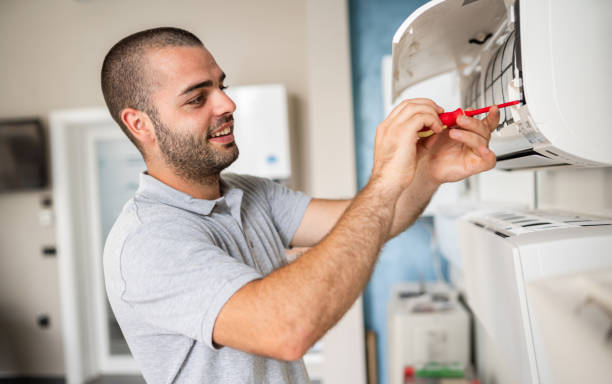
As sustainability becomes a growing priority, eco-friendly HVAC upgrades are an impactful way to reduce energy consumption, lower utility bills, and minimize our carbon footprint. By adopting energy-efficient technologies and practices, both homeowners and businesses can contribute to a healthier environment while benefiting from long-term cost savings. Below, we’ll explore the environmental advantages of these upgrades, as well as strategies to make your HVAC system more sustainable.
How Eco-Friendly HVAC Upgrades Reduce Environmental Impact
- Lower Energy Consumption
Traditional HVAC systems often consume more energy than necessary due to outdated designs or inefficiencies. Upgrading to newer systems with high Seasonal Energy Efficiency Ratios (SEER) or Energy Efficiency Ratios (EER) translates into less electricity use, which directly reduces greenhouse gas emissions from power plants. - Reduced Refrigerant Impact
Older HVAC systems may rely on refrigerants like R-22 (Freon), which contribute significantly to ozone depletion. Modern eco-friendly units use environmentally safer refrigerants such as R-410A that have lower global warming potential (GWP). - Extended Equipment Life Cycle
Energy-efficient systems are typically designed with durability in mind, meaning fewer replacements over time. This not only reduces manufacturing demands but also keeps discarded materials out of landfills.
Benefits of Eco-Friendly HVAC Systems for Homeowners
- Cost Savings: High-efficiency units result in lower monthly energy bills.
- Comfort Improvements: Smart thermostats and advanced systems maintain consistent indoor temperatures.
- Tax Incentives: Many states offer rebates or tax credits for installing energy-efficient equipment.
- Increased Property Value: Homes with eco-friendly features are highly attractive to potential buyers.
Strategies for Eco-Friendly Heating and Cooling
| Upgrade Option | Benefit |
| High-Efficiency Heat Pumps | Use less electricity while providing both heating and cooling functions |
| Programmable Thermostats | Optimize energy use by scheduling temperature adjustments |
| Proper System Maintenance | Ensures peak efficiency and minimizes wasted energy |
| Duct Sealing & Insulation | Prevents air loss and reduces workload on the HVAC system |
Additionally, incorporating alternative solutions like geothermal heating or solar power can further reduce reliance on non-renewable resources.
The Role of Professional Installation
Partnering with a qualified HVAC contractor is essential when implementing eco-friendly upgrades. Proper installation ensures the system operates at its highest efficiency while avoiding issues that could negate environmental benefits. A professional contractor can also assess your home’s unique needs to recommend tailored solutions that align with sustainable practices.
By making thoughtful choices about your home’s heating and cooling systems today, you’re investing in a healthier planet for tomorrow—one efficient upgrade at a time.
When to Replace Your Heat Pump and How to Find Reliable Miami HVAC Services
A heat pump plays a crucial role in keeping your home comfortable throughout the year, providing both heating and cooling as needed. However, like any mechanical system, it will not last forever. Knowing when your heat pump requires immediate replacement can save you from costly repairs, prevent sudden breakdowns, and improve energy efficiency in your home. Below are key signs that indicate it’s time to replace your heat pump and steps you should take if replacement is necessary.
How to Tell If You Need an AC Replacement Miami Homeowners Shouldn’t Ignore
- Most heat pumps have a lifespan of 10-15 years. If your unit is nearing or exceeding this range, it’s likely operating inefficiently and may require frequent repairs.
- A sudden spike in energy costs without increased usage may indicate that your heat pump is losing efficiency due to wear and tear.
- If you are calling for repairs multiple times a year, the ongoing costs may outweigh the investment in a new unit.
- Inconsistent temperature regulation across different areas of your home can signal that the heat pump’s components are failing.
- Grinding, rattling, or squealing sounds often point to severe internal issues like motor failure or damaged parts that may not be worth repairing.
- If the system turns on and off frequently (short cycling), it could be struggling to maintain temperature due to inefficiency or component malfunctions.
- Dust buildup, excessive humidity, or strange odors can indicate that the system is no longer effectively filtering air or removing moisture.
What You Should Do Next
1. Consult an HVAC Professional
Schedule a professional inspection to assess whether repair or replacement is the best option. An experienced technician can evaluate the condition of your system and provide recommendations based on its age, energy efficiency, and repair history.
2. Research Replacement Options
If replacement is necessary, consider these factors when choosing a new unit:
– SEER (Seasonal Energy Efficiency Ratio) rating for cooling efficiency.
– HSPF (Heating Seasonal Performance Factor) rating for heating performance.
– Compatibility with smart thermostats for improved control.
– Noise levels during operation.
– Manufacturer warranties for long-term peace of mind.
3. Evaluate Energy-Efficient Models
Modern heat pumps offer higher energy efficiency through advancements in technology:
| Feature | Benefit | Example | |————————–|———————————————–|—————————–| | Inverter Technology | Adjusts compressor speed to reduce energy use | Saves on utility bills | | Dual-Fuel Compatibility | Combines electric and gas systems | Efficient in all climates | | Variable-Speed Blowers | Enhances comfort with consistent temperatures | Quieter operation |
4. Work With Certified Contractors
Always hire licensed HVAC contractors for installation to ensure proper setup and compliance with local regulations. Improper installation can lead to diminished performance even with new equipment.
Benefits of Replacing an Outdated Heat Pump
- Lower operating costs due to improved energy efficiency.
- Enhanced comfort with consistent heating and cooling.
- Reduced carbon footprint by using eco-friendly refrigerants.
- Increased property value as modern systems appeal to buyers.
Replacing a failing heat pump promptly avoids unnecessary stress while allowing you to enjoy greater comfort year-round with improved reliability and performance in your HVAC system.
How to Identify When You Need Air Conditioning Repair Miami Services and Plan Your Next Steps
A heat pump is a vital component of any HVAC system, responsible for efficiently heating and cooling your home throughout the year. However, like any mechanical equipment, heat pumps have a finite lifespan and may eventually require replacement. Recognizing the signs that your heat pump is nearing the end of its life can help you avoid costly repairs or system failures. Below, we explore key indicators that it’s time to replace your heat pump and the steps you can take to ensure a smooth transition.
Key Signs Your Heat Pump Needs Replacement
- Age of the Unit: Most heat pumps last between 10-15 years with regular maintenance. If your unit is within or beyond this age range, it may be time to consider a replacement.
- Frequent Repairs: If you find yourself constantly calling for repairs, it may be more cost-effective in the long run to invest in a new system.
- Rising Energy Bills: A declining heat pump often has reduced efficiency, leading to higher energy consumption and increased utility costs.
- Inconsistent Temperatures: Uneven heating or cooling across different areas of your home can indicate that the system is no longer performing as intended.
- Unusual Noises: Grinding, clanking, or rattling sounds from your unit could signal serious mechanical issues.
- Excessive Dust or Poor Air Quality: Older systems may struggle with proper air filtration, resulting in dust buildup or reduced indoor air quality.
Steps to Take if Replacement Is Needed
Once you’ve determined that your heat pump needs replacement, there are several steps you should follow to ensure you choose a system that meets both your needs and budget.
1. Assess Your Current System
Begin by evaluating the size and capacity of your current unit. An HVAC professional can conduct an energy audit to determine whether your current setup was appropriately sized for your home.
2. Research Modern Options
Modern heat pumps are far more energy-efficient than older models thanks to advancements in technology.
Look for features such as:
– High SEER (Seasonal Energy Efficiency Ratio) ratings for cooling efficiency
– High HSPF (Heating Seasonal Performance Factor) ratings for heating performance
– Compatibility with smart thermostats for better control
Energy-efficient systems not only reduce utility costs but also contribute positively to environmental sustainability.
3. Consult an HVAC Professional
Hiring an experienced contractor ensures proper installation and sizing of your new unit. A professional can also help you understand available rebates or incentives for upgrading to an environmentally friendly model.
4. Budget Considerations
Replacing a heat pump represents a significant investment.
Create a clear budget that factors in:
– Upfront costs of purchasing and installation
– Long-term savings on utility bills
– Maintenance plans offered by contractors
Comparison Table: Repair vs Replacement Costs
| Factor | Repair Cost Range | Replacement Cost Range |
| Minor Repairs (e.g., capacitor) | $150-$450 | N/A |
| Major Components (e.g., compressor) | $1,200-$2,500 | N/A |
| Full System Replacement | N/A | $4,500-$10,000+ |
| Energy Bill Savings* | Minimal | Up to 20%-50% |
*Savings depend on efficiency upgrades in new models.
By proactively addressing issues with aging equipment and understanding when replacement makes financial sense, homeowners can maintain comfortable indoor temperatures while reducing long-term expenses on energy consumption and maintenance services.
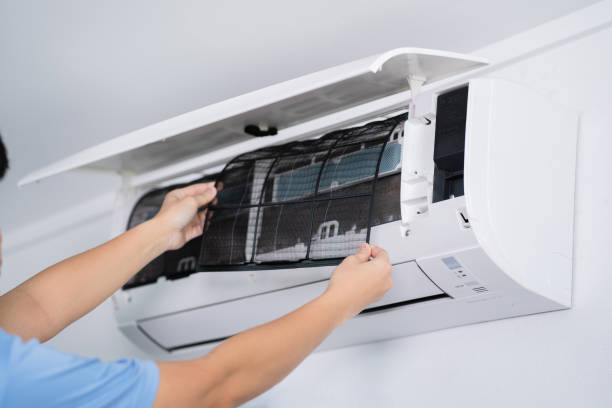
Understanding AC Repair Miami: The TXV’s Role, Functionality, and Signs It Needs Replacing
The thermostatic expansion valve (TXV) is a critical component in any HVAC system. It plays a pivotal role in regulating refrigerant flow to ensure efficient cooling and optimal performance. Whether you’re an HVAC technician or a homeowner seeking to understand your system better, knowing the significance of the TXV, how it functions, and when it may need replacement can save both time and money.
What Is a TXV?
The TXV is a metering device used in air conditioning and refrigeration systems. Its primary function is to control the amount of refrigerant entering the evaporator coil based on temperature and load demands. By regulating refrigerant flow, it ensures that your HVAC system operates efficiently under varying conditions.
Key features of a TXV include:
– Temperature sensing bulb: Measures the temperature at the evaporator outlet.
– Diaphragm assembly: Adjusts refrigerant flow by responding to pressure changes.
– Needle valve: Controls refrigerant flow into the evaporator coil.
Without this precise metering process, your system could experience inefficiencies or even damage to key components over time.
How Does a TXV Work?
The operation of a TXV hinges on maintaining balance between three pressures:
1. Bulb Pressure: Senses evaporator outlet temperature and opens the valve as needed.
2. Evaporator Pressure: Acts against bulb pressure by reflecting conditions inside the evaporator coil.
3. Spring Pressure: Provides resistance to fine-tune refrigerant flow.
When these pressures are balanced correctly, the valve releases just enough refrigerant for optimal heat exchange within the evaporator coil.
Signs Your TXV May Need Replacing
- Uneven Cooling or Heating
Inconsistent temperatures across different rooms may indicate that your TXV is not distributing refrigerant properly. - Frost Buildup on Evaporator Coils
Insufficient refrigerant flow can lead to freezing within the coils, reducing efficiency. - High Energy Bills
A faulty TXV forces your system to work harder than necessary, increasing energy consumption. - HVAC System Short Cycling
Frequent turning on and off of your unit could result from improper refrigerant regulation by the TXV.
How to Address a Faulty TXV
If you suspect issues with your thermostatic expansion valve:
1. Inspect for obvious blockages or contaminants that may hinder its function.
2. Check for signs of mechanical wear or damage such as leaks around fittings.
3. Contact an experienced HVAC professional for thorough diagnostics and repair recommendations.
Replacing a faulty TXV rather than delaying repairs can prevent additional wear on connected components like compressors or evaporators.
| Issue | Potential Cause | Recommended Action |
| Inconsistent cooling | Restricted flow through valve | Professional inspection & cleaning |
| Frost on coils | Valve stuck in open position | Replace faulty valve |
| Increased energy usage | Improper refrigerant regulation | Calibrate or replace valve |
Proper maintenance of your HVAC system’s thermostatic expansion valve ensures reliable performance year-round. Prioritizing timely inspections can help extend its lifespan while maintaining overall energy efficiency within your home or business setting.
What Is a Capacitor in an HVAC Unit and Why Is It Important for Reliable Operation
Capacitors are a critical component of HVAC systems, playing a vital role in ensuring reliable and efficient operation. Whether cooling your home in the summer or heating it during colder months, understanding the role of capacitors can help you maintain your system effectively. Below, we’ll explore what capacitors are, how they function within an HVAC unit, and how to identify potential issues with them.
What Is a Capacitor in an HVAC System?
A capacitor is a small cylindrical or rectangular device that stores electrical energy and releases it when needed. In an HVAC system, capacitors work alongside motors to provide the initial burst of energy required to start components like compressors, fans, and blowers. Without a functioning capacitor, these essential parts may struggle to start or fail entirely.
Types of Capacitors in HVAC Units:
- Start Capacitor: Provides high energy for starting the motor.
- Run Capacitor: Offers continuous energy to maintain motor operation.
- Dual-Run Capacitor: Combines the functionality of both start and run capacitors into one unit.
Why Are Capacitors Important?
- Starting Power: Capacitors supply the extra boost needed to turn on large motors efficiently.
- Energy Efficiency: By regulating electrical flow, they prevent overheating and reduce energy consumption.
- Overall Longevity: Consistent power delivery helps motors run smoothly without unnecessary strain.
Signs Your HVAC Capacitor May Be Failing
- System Won’t Start: If your air conditioner or heater doesn’t turn on at all, a faulty capacitor could be preventing the motor from starting.
- Humming Noise: A constant humming sound from your outdoor unit might signal that the capacitor is struggling to function properly.
- Short Cycling: If your system frequently turns on and off without completing full cycles, this could be due to capacitor-related problems.
- Burning Smell or Visible Damage: A burnt smell near your unit or visible bulging/leaking from the capacitor itself indicates immediate replacement is necessary.
Maintaining Your HVAC System’s Capacitor
| Maintenance Task | Frequency | Notes |
| Visual Inspection | Annually | Check for bulging, leaking fluid. |
| Professional Tune-Up | Bi-annually | Ensure proper voltage levels. |
| Cleaning Surrounding Area | Monthly | Keep debris away from outdoor units. |
When Should You Replace a Capacitor?
Capacitors generally last between 5 to 10 years but may fail sooner under certain conditions like power surges or prolonged exposure to heat. If you notice any signs of failure listed above or during routine maintenance checks, consult with an experienced HVAC contractor promptly. Regular inspections by professionals can help identify issues early before they escalate into costly repairs.
Properly functioning capacitors ensure that your HVAC system operates efficiently year-round while minimizing stress on other components. Paying attention to their condition is essential for maintaining reliable heating and cooling performance within your home.
SEER vs. EER Explained: Key Insights on Cooling Efficiency and How It Impacts Your HVAC System
When evaluating the performance and energy efficiency of cooling systems, terms like SEER (Seasonal Energy Efficiency Ratio) and EER (Energy Efficiency Ratio) frequently come up. Understanding the differences between these metrics is essential for homeowners, contractors, and HVAC professionals to make informed decisions about system selection and usage.
What Is SEER?
SEER, or Seasonal Energy Efficiency Ratio, measures the cooling efficiency of an air conditioner or heat pump over an entire cooling season. It evaluates how much cooling a system provides relative to the total energy consumed during the season under varying temperature conditions.
- Formula: Total cooling output (BTUs) divided by total energy input (in watt-hours) over a typical cooling season.
- Key Feature: SEER accounts for seasonal variations in temperature, making it a more comprehensive metric than single-point measurements.
- Efficiency Tip: The higher the SEER rating, the more efficient the system is. Modern systems typically have SEER ratings ranging from 13 to 25+.
Pros of High-SEER Systems:
- Lower energy bills due to reduced power consumption.
- Environmentally friendly by lowering greenhouse gas emissions.
- Improved comfort with advanced technologies like variable-speed compressors.
What Is EER?
EER, or Energy Efficiency Ratio, measures how efficiently an air conditioner functions at a specific outdoor temperature (typically 95°F), indoor temperature of 80°F, and 50% indoor relative humidity.
- Formula: Cooling output (BTUs) divided by electrical input in watt-hours under fixed test conditions.
- Key Feature: EER reflects unit performance under peak conditions rather than seasonal averages.
Applications of EER:
- Useful for comparing systems in consistently hot climates were peak performance matters most.
- Critical for commercial applications since it reflects efficiency at maximum operational loads.
Key Differences Between SEER and EER
| Criteria | SEER | EER |
| Measurement Context | Seasonal performance | Peak-day performance |
| Temperature Variability | Accounts for fluctuations | Fixed test temperature |
| Use Cases | Residential focus | Commercial & hot climates |
Understanding these differences ensures that you select the right metric based on your climate and specific needs.
How These Metrics Impact Your HVAC System
- Energy Costs: Choosing units with higher EER/SEER ratings reduces electricity usage, translating into long-term savings on utility bills. For example:
- A unit with a 20 SEER may use nearly 50% less energy compared to one with a 10 SEER.
- Higher-EFF systems often qualify for rebates or incentives.
- Environmental Impact: Lower energy demand means fewer carbon emissions from power plants—an essential factor as more homes shift toward sustainability goals.
- System Longevity: Efficient units often produce less strain on components like compressors and fans due to their innovative design, resulting in extended operational life.
- Comfort Control: High-SEER systems often include advanced features such as multi-stage compressors that provide consistent temperatures while consuming less power during mild conditions.
Choosing Between SEER and EER
While both metrics are important:
– Opt for higher-SEER ratings if you live in regions with variable weather throughout the year.
– Prioritize high-EFF systems if you live in areas experiencing extreme heat consistently or are selecting equipment for heavy-duty commercial use.
By paying attention to both SEER and EER values when purchasing an HVAC system, homeowners can achieve optimal comfort while balancing efficiency, cost-effectiveness, and environmental impact effectively.
- 7 Essential Benefits of Choosing an HVAC Company Miami, FL for Upgraded Home Comfort
- How to Spot HVAC Issues and Find Reliable Air Conditioning Repair Miami Services
- Top Signs You May Need Air Conditioning Repair Miami Residents Can Rely On
- Eco-Friendly Upgrades from a Trusted HVAC Company Miami, FL: Embracing a Greener Future
- Finding the Best HVAC Company Miami, FL to Ensure Your Home’s Comfort and Safety
- Identifying When You Need Air Conditioning Repair Miami Professionals for Your HVAC System