How to Spot HVAC Issues and Find Reliable Air Conditioning Repair Miami Services

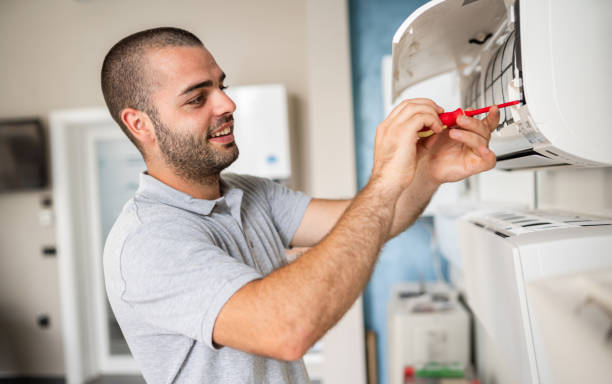
Technician fixing air conditioner unit on outside wall. Technician fixing air conditioner unit on outside wall. ac replacement stock pictures, royalty-free photos & images

Your HVAC system plays a vital role in maintaining a comfortable indoor environment, ensuring proper heating, cooling, and ventilation throughout the year. However, like any mechanical system, it can develop issues over time that may lead to inefficiencies or complete failure. Recognizing the signs of an underperforming or failing HVAC system early on can save you time and money while preventing unnecessary discomfort.

Common Signs That Your HVAC System May Be Failing

  1. Uneven heating or cooling in different areas of your home.
  2. Rooms that are too hot or too cold despite thermostat adjustments.
  3. Grinding, squealing, banging, or rattling sounds coming from the HVAC unit.
  4. Persistent noise during operation that wasn’t present before.
  5. A sudden spike in your utility bills without a corresponding change in usage habits.
  6. Inefficient energy usage due to aging components.
  7. The system turns on and off more frequently than usual (short cycling).
  8. Difficulty maintaining a consistent temperature.
  9. Increased dust, debris, or allergens circulating in your home.
  10. Lingering odors due to inadequate ventilation.
  11. Condensation around windows or walls.
  12. A sticky or damp atmosphere indoors even when the system is running.
  13. Most HVAC systems have a lifespan of 10–15 years. If your system is older than this range, it may be nearing the end of its functionality.

Steps You Can Take If You Notice These Issues

  • Check and Replace Air Filters: Dirty filters are one of the most common causes of poor performance. Replace them regularly (typically every 1–3 months).
  • Inspect Thermostat Settings: Ensure your thermostat is set correctly and functioning properly. Consider upgrading to a programmable or smart thermostat for better control and efficiency.
  • Clean Vents and Ductwork: Blocked vents or dirty ductwork can impede airflow and reduce efficiency. Schedule professional cleaning if needed.
  • Perform Visual Inspections: Look for visible signs of wear such as leaks, rusted components, or damaged ductwork that could indicate larger issues with the system.

When to Call an HVAC Professional

Problem Professional Service Required
Refrigerant Leaks Diagnosing and refilling refrigerant levels
Electrical Failures Repairing faulty wiring or connections
Compressor Malfunctions Replacing compressors or other internal components
Persistent Short Cycling Identifying underlying causes such as oversized units

If you notice recurring problems despite performing basic maintenance steps, reach out to an experienced HVAC contractor for a full diagnostic assessment.

Benefits of Addressing Problems Early

  • You prevent minor issues from escalating into costly repairs.
  • Extend the overall lifespan of your HVAC equipment.
  • Maintain optimal indoor air quality and comfort for occupants.
  • Lower your monthly energy expenses by improving efficiency.

Recognizing these warning signs allows you to take timely action—ensuring your home stays comfortable year-round while avoiding unnecessary disruptions caused by complete system breakdowns. Proper care today ensures fewer surprises down the road when it comes to heating and cooling needs.

Essential Warning Signs of a Malfunctioning Miami HVAC System

An HVAC system plays a vital role in maintaining indoor comfort, but like any other mechanical system, it can develop issues over time. Recognizing the warning signs of a malfunctioning HVAC system early can save you from costly repairs or total breakdowns. Below are some of the most common indicators that your HVAC system may be failing and what they might mean.

Dealing with Inconsistent Temperatures? Find Reliable AC Repair Miami Services

  • A failing thermostat
  • Airflow blockages in ducts
  • An improperly sized system for your home

Temperature inconsistencies may also arise if your HVAC unit is struggling to maintain adequate performance due to age or wear and tear.

Identifying Unusual Noises with an HVAC Company Miami, FL

  • Banging or clanking sounds – This may point to loose or broken components.
  • Squealing or screeching noises – Often caused by issues with the motor or fan belt.
  • Hissing sounds – This could signify a refrigerant leak or ductwork problems.

Addressing these noises promptly can prevent further damage and extend the life of your unit.

Signs You May Need AC Replacement Miami for Poor Airflow

  • Dirty filters restricting proper circulation
  • Faulty blower fans
  • Blocked vents or clogged ductwork

If airflow feels weak even on high settings, this could indicate deeper mechanical failures that need professional attention.

4. Rising Energy Bills

Issue Potential Cause Solution
Reduced efficiency Aging components Schedule maintenance or replacement
Overworking Leaky ducts Seal ducts properly
Poor calibration Malfunctioning thermostat Recalibrate or replace the thermostat

Monitoring utility bills regularly can help you spot inefficiencies early.

5. Unpleasant Odors

  • Mold or mildew growing inside ducts due to excessive moisture
  • Electrical issues causing wires to overheat
  • Accumulation of dirt and debris over time

Schedule a professional inspection immediately if you notice burnt, musty, or chemical-like odors when the system runs.

6. Frequent Cycles

  • Improperly sized equipment
  • Refrigerant leaks affecting cooling performance
  • Clogged filters forcing the unit to work harder

Short cycling not only reduces comfort but also accelerates wear on key components.

What You Should Do When These Signs Appear

  1. Inspect Basic Components: Check air filters, thermostats, and visible ductwork for obvious issues.
  2. Schedule Regular Maintenance: Have an experienced HVAC technician perform routine tune-ups at least twice a year.
  3. Act Quickly: Ignoring minor symptoms like strange noises or poor airflow often leads to larger problems down the line.
  4. Consider Replacement Over Repairs: If your unit is more than 10–15 years old, upgrading to a newer model may be more cost-efficient than frequent repairs.

By staying vigilant about these warning signs, you can ensure optimal performance from your HVAC system while maintaining indoor comfort for years to come.

Steps to Take When Your HVAC System No Longer Works Properly

Dealing with a malfunctioning HVAC system can be frustrating, especially during extreme weather conditions. However, taking the right steps can help you address the issue promptly and minimize discomfort. Below are actionable steps to follow when your HVAC system no longer works as intended.

1. Assess the Situation

  • Is the entire system unresponsive, or is it just a specific function (e.g., heating or cooling)?
  • Are there any visible signs of damage, such as leaks, strange noises, or unusual odors?
  • Have you recently experienced power outages that may have affected your system?

By identifying basic details about the issue, you’ll have more clarity on whether it’s something minor that can be resolved quickly or if professional help is needed.

2. Check for Simple Fixes

  • Thermostat Settings: Ensure that your thermostat is set to the correct mode (heating or cooling) and temperature.
  • Power Supply: Confirm that your HVAC unit has power and check if any circuit breakers have tripped.
  • Air Filters: Inspect air filters for clogs and dirt buildup; replace them if necessary.
  • Vents and Registers: Make sure all vents and registers are open and unobstructed.

Sometimes addressing these small issues can get your system up and running again without further intervention.

3. Document Observations

Observation Example
Unusual sounds Buzzing, banging, or whistling noises
Inconsistent performance Uneven temperatures in different rooms
Error codes Codes displayed on modern thermostats
Odors Burning smell or musty odors

Providing this information can help professionals diagnose the issue more efficiently.

4. Determine if Repairs or Replacement Are Needed

  • Age of System: If your system is over 10–15 years old, replacement may offer better energy efficiency.
  • Repair Costs vs Replacement Costs: Repairs costing more than half of a new unit’s price often indicate replacement as a smarter option.

Consult with an expert contractor for guidance based on your specific situation.

5. Contact a Qualified HVAC Contractor

  • Proper licensing and certifications
  • Positive online reviews from past clients
  • Transparent pricing policies
  • Warranties on labor and parts

Hiring a reliable contractor ensures that repairs are performed correctly and efficiently while reducing long-term risks.

Taking these steps will not only help restore comfort in your home but also extend the lifespan of your HVAC equipment through proper care and professional maintenance where needed.

How to Choose the Right Professional HVAC Contractor for Your Needs

Selecting the proper HVAC contractor is a critical decision that can impact your system’s efficiency, lifespan, and overall performance. Whether you’re installing a new system, repairing an existing one, or scheduling routine maintenance, hiring a skilled and professional contractor ensures the job is done right. Below are some essential tips and considerations to guide you through the process of finding the right HVAC expert for your specific needs.

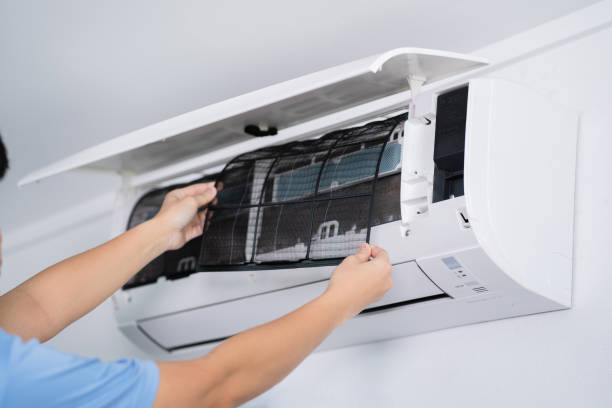
Replacing AC Filter at Home Man installing new air conditioning filter at home. ac replacement stock pictures, royalty-free photos & images

Factors to Consider When Choosing an HVAC Contractor

  • License and Certification: Verify that the contractor holds the necessary state and local licenses. Additionally, look for certifications such as North American Technician Excellence (NATE), which indicate advanced training and expertise.
  • Experience: Work with contractors who have years of experience in handling different types of HVAC systems. Experienced professionals are better equipped to diagnose issues accurately and recommend long-term solutions.
  • References and Reviews: Check online reviews on platforms like Google or Yelp. Ask the contractor for references from previous clients to gauge their reliability and work quality.
  • Insurance Coverage: Ensure that your chosen contractor has liability insurance and worker’s compensation insurance to protect you in case of accidents or damages during service.

Questions to Ask Potential Contractors

  1. Are you licensed, bonded, and insured?
  2. Can you provide references from recent clients?
  3. What warranties do you offer on equipment or services?
  4. Do you have experience with [specific type or brand of system]?
  5. What is included in your maintenance contracts?

These questions will help clarify whether a contractor is qualified for your specific project.

Red Flags to Avoid

  • Unusually Low Estimates: Extremely low quotes can signal inferior materials, poor workmanship, or hidden fees.
  • Lack of Documentation: Avoid contractors who are unwilling to provide written estimates, proof of licenses, or other documentation.
  • Pushy Sales Tactics: Be cautious if a contractor aggressively pushes unnecessary upgrades or expensive equipment without evaluating your home’s needs first.

Comparing Estimates

Feature Contractor A Contractor B Contractor C
License Verified Yes/No Yes/No Yes/No
References Provided Yes/No Yes/No Yes/No
Material Warranties Duration Duration Duration
Labor Costs $ Amount $ Amount $ Amount
Estimated Timeline Timeframe Timeframe Timeframe

Use this information not only to compare costs but also service inclusions and value.

Benefits of Hiring the Right Contractor

  • Accurate diagnosis of issues
  • Energy-efficient installations
  • Reliable repairs backed by warranties
  • Longer lifespan for your HVAC system
  • Peace of mind knowing safety standards are followed

Spending time researching your options upfront will save stress—and money—over time by ensuring quality service from start to finish.

Understanding the Importance of Timely HVAC System Replacement

Maintaining a comfortable and energy-efficient home or business environment heavily depends on the performance of your HVAC system. While regular maintenance can extend its lifespan, every HVAC system will eventually need to be replaced. Recognizing when it’s time to upgrade is essential, as delaying replacement can lead to higher energy costs, frequent repairs, and compromised indoor air quality. Below is a deeper look into why timely HVAC system replacement is crucial.

The Risks of Delaying HVAC System Replacement

  • Increased Energy Bills: Older systems often lose efficiency over time, causing them to work harder and consume more energy.
  • Frequent Repairs: Aging systems are prone to breakdowns, and repair costs can quickly add up.
  • Poor Indoor Air Quality: Filters and ducts in older systems may struggle to keep dust, allergens, and pollutants at bay.
  • Inconsistent Temperatures: An outdated unit may fail to properly regulate temperature across your home or office.
  • Environmental Impact: Older HVAC models may not meet modern energy efficiency standards, contributing significantly to carbon emissions.

Benefits of Timely Replacement

  • Energy Efficiency: Modern units are designed to use less energy while providing optimal heating and cooling performance.
  • Reduced Operating Costs: Efficient systems translate directly into lower utility bills.
  • Improved Air Quality: Advanced filtration technologies enhance indoor air purity by reducing pollutants.
  • Smart Features: Newer systems often come with smart thermostats and automation capabilities for greater control over energy usage.
  • Reliability: A new unit ensures consistent performance without the worry of unexpected malfunctions.

Key Indicators It’s Time for an Upgrade

Signs of System Failure Description
Age Over 10–15 Years Most systems last 10–15 years; beyond this range, performance declines significantly.
Rising Utility Bills An unexplained increase in monthly heating or cooling costs could indicate inefficiency.
Frequent Breakdowns Multiple costly repairs might outweigh the cost of a new installation.
Strange Noises or Odors Grinding noises or musty smells suggest internal issues that may not be worth repairing.
Uneven Heating/Cooling If some rooms are consistently warmer or cooler than others, the system may no longer be effective.

Tips for Ensuring a Seamless Transition

  1. Consult a Professional Contractor: Work with an experienced technician who can guide you in selecting the right unit based on your property size and needs.
  2. Consider Energy Ratings: Look for ENERGY STAR® certified systems that offer high efficiency ratings (SEER or AFUE).
  3. Plan Ahead Financially: Explore financing options or rebates that may help offset upfront costs.
  4. Schedule Installation During Off-Peak Seasons: Spring or fall are typically slower periods for contractors and allow you faster service.

Replacing an aging HVAC system on time is more than just an upgrade; it’s an investment in comfort, efficiency, and peace of mind. By monitoring signs of wear and planning proactively with expert guidance, you’ll ensure consistent performance while avoiding unnecessary expenses caused by delays.

Top Questions to Ask Before Hiring an Expert HVAC Contractor

Hiring the right HVAC contractor is critical to ensuring the efficiency, reliability, and longevity of your heating and cooling system. To make an informed decision, it’s essential to ask the right questions before hiring a professional. Below is a guide covering top questions that can help you evaluate potential contractors effectively.

1. Are You Licensed and Insured?

The first step in hiring any contractor is confirming their credentials. A licensed contractor has met specific training and experience requirements that demonstrate their competence in HVAC installation, repair, and maintenance.

In addition:
Insurance Coverage: Verify they carry liability insurance to protect your property in case of accidental damage.
Worker’s Compensation: Ensure they have coverage for their employees in case of injuries on-site.

2. What Experience Do You Have with My Specific HVAC System?

Not all contractors are experienced with every type or brand of HVAC system.

Some key points to ask include:
System Compatibility: Do they have experience working with your specific unit model or brand?
Specialties: Can they handle specialized systems like ductless mini-splits or geothermal units?
Training Certifications: Are they certified by manufacturers for installation and servicing?

3. Can You Provide References or Reviews from Previous Clients?

A reputable contractor should have no issue providing customer references or directing you to online reviews showcasing their work quality. Look for feedback on:
– Timeliness of service
– Communication during the project
– Overall satisfaction with repairs or installations completed by the contractor

4. What Services Do You Offer Beyond Installation and Repairs?

Many contractors provide additional services that can ensure your system operates at peak performance long-term:
– Preventative maintenance plans
– Indoor air quality assessments (e.g., addressing allergens, humidity control)
– Energy efficiency upgrades such as smart thermostats or zoning systems

Choosing a professional offering comprehensive services can simplify future upkeep.

5. Will You Provide a Written Estimate or Contract?

Always insist on getting a detailed written estimate before agreeing to any work being performed. Verify that the estimate includes:
| Item | Description | Cost |
|——|————-|——|
| Equipment | Brand name, model numbers | $$$$ |
| Labor | Hourly rate or flat fee | $$$$ |
| Additional Costs | Permits, inspections fees (if applicable) | $$$$ |

Ensure terms such as project timelines, warranty details, and payment schedules are clearly outlined in a contract.

6. What Warranties Do You Offer?

Understanding warranty coverage is vital for protecting your investment over time:
Manufacturer Warranty: Covers issues related to defective equipment parts provided by the manufacturer.
Labor Warranty: Covers installation errors made by the contractor within a set period (typically 1–2 years).

Request documentation detailing the warranty terms so you’re fully informed about what’s covered.

7. How Do You Ensure Energy Efficiency for My System?

An expert HVAC contractor should prioritize energy-efficient solutions to help reduce utility costs while maintaining comfort levels in your home:
– Are they familiar with ENERGY STAR-rated products?
– Do they assess load calculations before recommending equipment?

A professional assessment ensures proper sizing that maximizes performance while avoiding overuse of energy resources.

By asking these critical questions upfront, you’ll be better equipped to select a qualified HVAC professional who can meet your needs effectively while delivering high-quality results tailored specifically for your home’s requirements.


Top Signs You May Need Air Conditioning Repair Miami Residents Can Rely On

Technician cleaning air conditioner filter Technician cleaning air conditioner filter ac replacement stock pictures, royalty-free photos & images

Air conditioning systems are essential for maintaining comfort, especially during warmer months. However, like any mechanical equipment, they have a finite lifespan and may eventually require replacement. Recognizing the signs that your AC unit is no longer functioning optimally can save you from costly repairs and ensure your home remains comfortable. Below are five key indicators that suggest your air conditioning system might need immediate replacement.

1.Frequent Breakdowns

If your AC unit requires constant repairs or troubleshooting, it could be a sign that the system has reached the end of its useful life. While occasional maintenance is normal, recurring issues such as compressor failures or refrigerant leaks signal deeper inefficiencies.

  • Faulty capacitors
  • Malfunctioning thermostat
  • Refrigerant leaks

When repair costs start to exceed 50% of a new unit’s price, replacement becomes a more cost-effective option.

2.Inefficiency and Rising Energy Bills

Older air conditioners often lose efficiency over time, forcing them to work harder to cool your home. This increased energy usage results in higher utility bills with little to no improvement in comfort levels.

  • Higher-than-normal electricity bills during summer
  • Longer cooling cycles
  • Difficulty maintaining desired indoor temperatures

Upgrading to modern Energy Star-certified units can reduce energy consumption by up to 30%, making it an economical choice in the long run.

3.Inconsistent Cooling Performance

An air conditioner should provide even cooling across all rooms of your home. If certain areas feel too warm while others feel too cold, your system may be struggling due to age or failing components like ducts or coils.

Symptom Possible Cause
Warm spots in rooms Blocked ducts or low airflow
Uneven humidity control Failing evaporator coil
Poor airflow from vents Weak blower motor

Replacing the system helps eliminate such inconsistencies and improves overall comfort.

4.Excessive Noise During Operation

Unusual noises like grinding, squealing, or rattling often indicate severe internal damage within the unit’s components. While minor repairs can address some issues, persistent noise suggests that parts like compressors or fans are wearing out due to prolonged use.

  • Loose internal hardware
  • Worn-out bearings
  • Failing motors

A replacement can provide quieter operation and prevent further disruptions in your daily life.

5.System Age Beyond Expected Lifespan

Most air conditioning systems have an expected lifespan of approximately 10–15 years when properly maintained. As units age, their performance declines significantly due to wear on critical components such as compressors and refrigerants becoming outdated (e. g. , phased-out types like R-22).

Older systems not only struggle with efficiency but may also have environmental impacts due to high global warming potential (GWP) refrigerants. Consider replacing aging units with modern systems that utilize eco-friendly refrigerants like R-410A or R-32.

Wrapping Up: Your Go-To Guide for AC Repair Miami

Addressing these indicators promptly minimizes downtime and ensures consistent comfort throughout your home. Proactively replacing an inefficient AC unit not only enhances energy savings but also reduces repair headaches over time while contributing positively toward environmental sustainability through improved efficiency standards and modern refrigerant options.

Choosing the Best Eco-Friendly Electric Heat Pump with a Trusted HVAC Company Miami, FL

Switching to an eco-friendly electric heat pump can offer a range of advantages for homeowners seeking an efficient and sustainable HVAC solution. Below, we explore the key benefits of choosing this eco-friendly option.

Improved Energy Efficiency

Electric heat pumps are designed to transfer heat rather than generate it, making them significantly more energy-efficient compared to conventional furnaces or air conditioners.

  • Heating Efficiency: Instead of burning fuel, heat pumps extract warmth from the surrounding air or ground and use it to heat your home.
  • Cooling Efficiency: During hotter months, they reverse the process by removing warm air from indoors and expelling it outside.
  • Higher Seasonal Energy Efficiency Ratio (SEER): Many electric heat pumps boast SEER ratings that exceed those of traditional HVAC units, ensuring lower energy consumption year-round.

With reduced energy usage, homeowners can benefit from lower utility bills while also reducing their carbon footprint.

Traditional heating systems like gas furnaces rely on burning fossil fuels, which emit significant amounts of greenhouse gases (GHGs). On the other hand, electric heat pumps reduce reliance on these fuels by using electricity as their primary power source.

  • Renewable Energy Compatibility: Pairing a heat pump with renewable energy sources like solar panels further minimizes environmental impact.
  • Reduced Carbon Footprint: Transitioning to a system that produces fewer emissions contributes to overall efforts in combating climate change.

Enhanced Comfort and Versatility

Modern electric heat pumps are equipped with advanced technology that provides consistent indoor comfort throughout the year. They efficiently regulate temperatures while maintaining humidity levels for optimal living conditions.

  • Dual Functionality: Heat pumps function as both heaters and air conditioners, eliminating the need for separate systems.
  • Zoned Heating and Cooling: Certain models allow for customized temperature control in different areas of your home, improving comfort while saving energy.

Additionally, newer models are quieter than older HVAC units due to advancements in technology.

Financial Incentives and Long-Term Savings

Benefit Details
Tax Credits Many governments offer tax credits for installing energy-efficient systems.
Utility Rebates Local utility companies may provide rebates when upgrading to efficient equipment.
Lower Operating Costs Over time, reduced energy bills offset initial installation expenses.

By taking advantage of these programs, homeowners can significantly lower upfront costs associated with purchasing and installing a new system.

Improved Indoor Air Quality

  • No Combustion Byproducts: Without burning fuel, there’s no risk of releasing harmful gases such as carbon monoxide into your home.
  • Filtration Systems Available: Many models include advanced filters that remove dust, allergens, and pollutants from circulating air.

This makes them ideal for households with individuals who suffer from asthma or allergies.

Transitioning to an eco-friendly electric heat pump is more than just a financial decision—it’s a step toward sustainability without compromising comfort or convenience in your home environment. By adopting this modern HVAC solution, homeowners can enjoy long-term economic benefits while actively contributing to environmental preservation efforts.

The Advantages of Opting for an Eco-Friendly Electric Heat Pump During Your AC Replacement Miami

When it’s time to replace your HVAC system, opting for an eco-friendly electric heat pump can provide several advantages. Not only does it improve energy efficiency, but it also reduces your home’s environmental impact while enhancing indoor comfort. Here are some key benefits of choosing this innovative technology for your HVAC replacement.

Energy Efficiency and Cost Savings

Electric heat pumps are designed to move heat rather than generate it, making them significantly more energy-efficient compared to traditional systems such as furnaces or air conditioners. This results in reduced energy consumption and lower utility bills over time.

  • Seasonal Efficiency: Modern heat pumps can achieve Seasonal Energy Efficiency Ratio (SEER) ratings much higher than older systems. A higher SEER rating translates into greater energy efficiency.
  • Incentives: Many governments and local utilities offer rebates or incentives for homeowners who switch to energy-efficient heat pump technologies.

Environmental Benefits

Selecting an eco-friendly electric heat pump supports a sustainable lifestyle by lowering greenhouse gas emissions and reducing reliance on fossil fuels. Unlike gas furnaces, electric systems do not produce direct combustion emissions.

  • Low Carbon Footprint: By running on electricity, especially if paired with renewable sources like solar or wind power, a heat pump significantly minimizes its carbon footprint.
  • Eco-Friendly Refrigerants: Many newer models use refrigerants with a lower global warming potential (GWP), furthering their environmentally conscious design.
System Type Greenhouse Gas Emissions Fossil Fuel Dependency
Traditional Gas Furnace High High
Eco-Friendly Electric Heat Pump Low None

Improved Indoor Comfort

Heat pumps maintain consistent indoor temperatures by using advanced technology that adjusts output based on your home’s needs. This ensures superior comfort year-round.

  • Zoned Heating/Cooling: Some models allow for zoning capabilities, enabling you to control temperatures in different areas of your home independently.
  • Humidity Control: Electric heat pumps effectively manage humidity levels during summer months, making the indoor environment more comfortable.
  • Quiet Operation: Modern designs prioritize quiet operation, ensuring minimal noise disruption compared to older systems.

Long-Term Durability

Investing in an eco-friendly electric heat pump means choosing a reliable system built to last. With proper maintenance, these systems have lifespans that often exceed 15 years.

Key Considerations Before Installation

  1. Climate Suitability: Heat pumps work best in moderate climates but may require supplemental heating in extremely cold areas.
  2. Upfront Costs: While the initial investment is higher than conventional systems, long-term savings often offset these expenses.
  3. Home Size & Insulation: Proper sizing is critical for ensuring maximum efficiency and performance; poorly insulated homes may require additional upgrades.

By upgrading to an eco-friendly electric heat pump, homeowners can achieve significant energy savings while supporting environmental sustainability—all without compromising on comfort or quality.

How a Ductless Mini Split System Can Lower Energy Use and Improve Comfort

By eliminating the need for ductwork, these systems offer significant benefits in terms of energy efficiency, comfort, and installation flexibility. Below, we explore how ductless mini splits can help reduce energy use while enhancing overall indoor comfort.

Reduced Energy Loss

Traditional HVAC systems rely on ductwork to distribute conditioned air throughout a space. However, ducts are often responsible for significant energy losses due to leaks, poor insulation, or inefficiencies in design. According to the U. S. Department of Energy (DOE), duct losses can account for up to 30% of energy consumption in a typical HVAC system.

Ductless mini split systems bypass this problem entirely by delivering heated or cooled air directly into the room. This direct approach minimizes waste and ensures that more of the energy you pay for is used efficiently.

Zone-Specific Temperature Control

One of the key advantages of a ductless mini split system is its ability to provide zone-specific temperature control. Each indoor unit operates independently and can be adjusted based on the preferences of the occupants in that particular space.

  • Eliminate energy waste in unoccupied rooms.
  • Reduce conflicts over thermostat settings.
  • Customize temperatures based on room usage (e. g. , cooler bedrooms at night).

By only conditioning spaces as needed, homeowners can significantly reduce their overall energy use without compromising comfort.

High Energy Efficiency Ratings

Ductless mini splits often feature impressive Seasonal Energy Efficiency Ratio (SEER) ratings compared to traditional HVAC systems. Many models also come equipped with inverter-driven compressors that adjust their speed dynamically based on demand rather than cycling on and off like conventional units.

Focused electrician installing a heat pump in the yard, which is very good for households because it increases energy savings The man installs and adjusts the heat pump in the yard. The advantages of using heat pumps in homes are energy efficiency, cost savings ac replacement stock pictures, royalty-free photos & images

System Type Typical SEER Range
Traditional Central AC 13-16
Ductless Mini Splits 18-30+

These high-efficiency ratings make ductless systems ideal for those looking to lower monthly utility bills while reducing their environmental footprint.

Enhanced Indoor Comfort

  • Eliminates Hot or Cold Spots: Each unit is designed to provide precise airflow where it’s needed.
  • Improves Air Quality: Many models include multi-stage filtration systems that reduce dust, allergens, and other pollutants.
  • Quiet Operation: Advanced technology ensures quieter performance compared to traditional HVAC units with noisy blowers or compressors.

Flexible Installation Options

The compact design of ductless mini splits provides flexibility during installation.

  • Older homes without existing ductwork.
  • Room additions or converted spaces (e. g. , garages or basements).
  • Historic properties where maintaining architectural integrity is important.

Because they require minimal structural modification, these systems are also quicker and less expensive to install compared to central air conditioning solutions.

By addressing common inefficiencies associated with traditional HVAC setups while offering improved customization and convenience, ductless mini split systems present a modern solution for reducing energy use and enhancing overall comfort. Homeowners who prioritize sustainability will find these innovative systems an excellent investment in both their home’s efficiency and long-term value.

This system not only reduces your carbon footprint but also delivers long-term savings on energy bills. Let’s dive deeper into how geothermal heat pumps work and why they are an environmentally friendly choice for homeowners.

  1. Heating Mode:
    In colder months, the system extracts heat stored below the Earth’s surface and transfers it into your home via a heat exchanger.
  2. Cooling Mode:
  3. Water Heating Bonus:
    Many geothermal systems can also provide hot water by redirecting some of the extracted energy to water heaters, thereby reducing reliance on additional appliances.
  • Lower Greenhouse Gas Emissions:
  • Reduced Energy Consumption:
    These systems are 300%–500% efficient in converting electrical energy into heating or cooling compared to traditional furnaces or air conditioners.
  • Preservation of Natural Resources:
    By avoiding combustion processes entirely, GHPs help reduce dependence on finite resources like natural gas and oil.
Environmental Benefit Conventional HVAC System Geothermal Heat Pump
Greenhouse Gas Emissions High Low
Energy Efficiency ~80%-95% ~300%-500%
Use of Fossil Fuels Yes No

Financial Savings with Geothermal Systems

Though installing a geothermal system involves higher upfront costs than traditional units, it offers substantial financial benefits over time:

Lower Operating Costs: With reduced electricity usage and no need for fuel delivery services like oil or propane.

Tax Incentives & Rebates: Many governments incentivize homeowners with tax credits or rebates for investing in sustainable HVAC technology.

Durability & Longevity: Ground loops can last up to 50 years while internal components often exceed 25 years of service life—far surpassing traditional equipment’s lifespan.

Additional Considerations for Homeowners

Before committing to a geothermal installation, here are key factors homeowners should evaluate:

Site Suitability: Larger properties with ample yard space are ideal for horizontal ground loops; smaller lots may require vertical drilling.

Initial Investment vs Long-Term Savings: While installation costs can range from $10,000-$30,000 depending on system complexity, energy savings over time typically recoup this expense within 7–10 years.

Professional Installation Expertise: Choosing an experienced contractor is critical; improper installation could compromise efficiency or longevity. Ensure your installer specializes in geothermal systems and has certifications such as IGSHPA (International Ground Source Heat Pump Association).

They allow homeowners to enjoy consistent comfort throughout every season while reducing their environmental impact dramatically over time.

Why Lower Global Warming Potential Refrigerants Matter in Modern HVAC Systems

As concerns about climate change and environmental sustainability continue to grow, the HVAC industry is evolving to meet these challenges head-on. One significant development is the shift toward using lower Global Warming Potential (GWP) refrigerants in modern HVAC systems.

What Is Global Warming Potential Refrigerants?

Global Warming Potential (GWP) measures how much heat a greenhouse gas traps in the atmosphere over a specific period compared to carbon dioxide. Refrigerants with high GWP contribute significantly to global warming when released into the environment through leaks or improper disposal of HVAC equipment.

Historically, many traditional refrigerants—such as R-22 (Freon) or R-410A—have had high GWP values. While they are effective for cooling purposes, their environmental impact has been a growing concern.

Why Does GWP Matter for Refrigerants?

The use of high-GWP refrigerants has direct and indirect consequences for the environment.

  • Environmental Impact: High-GWP refrigerants are potent greenhouse gases that accelerate climate change. When released into the atmosphere, even small amounts can have long-lasting effects on global warming.
  • Regulatory Compliance: Governments worldwide are phasing out high-GWP refrigerants in favor of more sustainable alternatives.
  • The Kigali Amendment to the Montreal Protocol mandates a gradual reduction of hydrofluorocarbon (HFC) production, which includes many common high-GWP refrigerants.
  • The U. S., EU, and other regions have introduced regulations requiring HVAC manufacturers to adopt lower-GWP solutions.
  • Sustainability Goals: For environmentally conscious homeowners and businesses, switching to low-GWP refrigerant HVAC systems aligns with sustainability goals by reducing their overall carbon footprint.

Common Low-GWP Refrigerant Alternatives

Modern HVAC systems are increasingly designed to use low-GWP alternatives that meet efficiency standards while minimizing environmental harm.

Refrigerant Type Approximate GWP Value Key Benefits Common Applications
R-32 ~675 Higher efficiency; 30% lower GWP than R-410A Residential air conditioners
R-1234yf <1 Near-zero GWP; non-ozone depleting Automotive air conditioning
R-290 (Propane) ~3 Extremely low GWP; highly energy-efficient; flammable but safe with proper handling Small refrigeration units

Benefits of Low-GWP Refrigerants in Modern Systems

  1. Environmental Responsibility: Reducing harmful emissions helps combat climate change directly.
  2. Improved System Efficiency: Many new low-GWP refrigerants provide better energy efficiency compared to older counterparts.
  3. Long-Term Cost Savings: Though installation may sometimes involve higher upfront costs, efficient systems lead to savings over time through reduced utility bills.
  4. Future-Proofing Equipment: Using compliant refrigerants ensures your system meets current regulations and avoids obsolescence as stricter laws emerge.

The Role of HVAC Contractors

  • Educating clients about the benefits of low-GWP options during replacements or upgrades.
  • Ensuring proper handling and disposal of legacy high-GWP refrigerants.
  • Recommending systems that align with both regulatory standards and individual needs.

By choosing an experienced contractor who prioritizes environmentally responsible practices, you can ensure your home or business stays comfortable while reducing its ecological impact.

Understanding the importance of lower GWP refrigerants is essential for anyone considering an upgrade or replacement in their heating or cooling system. Emphasizing this shift not only supports environmental efforts but also ensures compliance with evolving industry standards while achieving optimal performance from your HVAC equipment.

Generational Differences in Prioritizing Indoor Air Quality and What It Means for HVAC Contractors

Indoor air quality (IAQ) has become a significant focus for homeowners in recent years, but the level of importance placed on it can vary across different generations. Understanding these generational preferences and priorities not only helps HVAC contractors tailor their services to meet customer needs but also ensures better communication and alignment with client expectations. Here’s an exploration of how different age groups view IAQ and what this means for HVAC professionals.

Generational Perspectives on Indoor Air Quality

  1. Focus Areas: Baby Boomers often prioritize reliable, low-maintenance systems that promote overall health, particularly as they age. IAQ improvements such as enhanced filtration systems are appealing, especially if they help reduce allergens or respiratory irritants.
  2. What They Value: Tangible benefits like cleaner air to improve existing health conditions are key drivers of their decisions.
  3. Focus Areas: This generation is generally concerned with balancing cost-effectiveness and quality performance. They want IAQ solutions that integrate seamlessly into their current HVAC systems without unnecessary upgrades or disruptions.
  4. What They Value: Energy efficiency coupled with technology, such as smart thermostats that monitor air quality, tends to resonate with Gen X homeowners.
  5. Focus Areas: Millennials display a strong preference for sustainability and eco-friendly solutions when it comes to IAQ. They are more likely to invest in systems that use advanced filtration or purification technologies—especially those marketed as improving both personal well-being and environmental impact.
  6. What They Value: Transparency from contractors about product impact on health and the planet is crucial when working with this group.
  7. Focus Areas: Gen Z is emerging as a highly health-conscious demographic that values innovative technology more than any other generation. From app-controlled air purifiers to smart sensors monitoring pollutants in real-time, they expect streamlined tech solutions for improved IAQ standards at home.
  8. What They Value: A modern, tech-driven experience combined with affordability.

Key Implications for HVAC Contractors

HVAC professionals must understand these generational differences when recommending products or services related to indoor air quality.

  • Use straightforward language focused on reliability and health improvements when working with Baby Boomers.
  • Highlight efficiency and practicality for Generation X clients.
  • Emphasize sustainability initiatives for Millennials.
  • Showcase cutting-edge technology when engaging Gen Z customers.
  • Provide flexible options: | Feature | Preferred by | Example | |————————————|————————|—————————————————–| | HEPA Filters | Baby Boomers | Reduces allergens effectively | | Smart Thermostats | Generation X | Combines energy savings with better control | | Eco-Friendly Air Purifiers | Millennials | Improves air quality while reducing carbon output | | App-Integrated Monitoring Systems | Generation Z | Tracks home pollution levels via smartphone apps |
  • Educate clients: Offer easy-to-understand resources explaining the benefits of specific IAQ technologies tailored to each generation’s concerns—such as brochures, videos, or online content.

Evolving Expectations in the Industry

Generational differences in prioritizing indoor air quality underscore the need for adaptability within the HVAC industry. Contractors who stay informed on shifting preferences can successfully position themselves as trusted advisors capable of delivering personalized solutions across a diverse customer base. By doing so, they can foster long-term relationships while addressing unique homeowner concerns regarding comfort, health, and sustainability through optimized IAQ strategies tailored by age group preferences.

Tips for Selecting a Reliable and Professional HVAC Contractor for Your Next Replacement Project

When it comes to replacing your HVAC system, choosing the right contractor plays a critical role in ensuring the process runs smoothly and efficiently. With numerous professionals in the industry, it’s essential to identify the most qualified, reliable, and professional contractor for your needs. Below are key tips to guide you in making an informed decision.

Before hiring an HVAC contractor, ensure they hold valid licensing and certifications required by your state or local government. These credentials demonstrate that the contractor has undergone proper training and adheres to industry standards.

  • Check for certifications such as NATE (North American Technician Excellence) or EPA Section 608.
  • Confirm their business license is current.
  • Ask about any additional training or specialized certifications they may have.

Experience matters when selecting an HVAC contractor. An experienced professional is more likely to handle unexpected challenges effectively.

  • Look for contractors with at least 5–10 years of experience.
  • Ask if they have expertise with specific systems like ductless mini splits or geothermal heat pumps.
  • Inquire about their familiarity with energy-efficient upgrades if you’re considering eco-friendly replacements.

Customer feedback offers valuable insights into an HVAC contractor’s reputation and work quality.

  • Explore online reviews on platforms such as Google, Yelp, or the Better Business Bureau (BBB).
  • Request references from past clients who’ve had similar projects completed.
  • Seek recommendations from friends, family members, or neighbors who’ve worked with contractors recently.

A professional contractor should provide a comprehensive written estimate before beginning any work on your HVAC system replacement project. This ensures transparency regarding costs and project timelines.

Key elements of a detailed estimate include: | Item | Description | |————————–|————————————-| | Equipment Costs | Price of new unit(s) | | Labor Charges | Installation fees | | Warranty Details | Equipment & workmanship coverage | | Additional Costs | Permits or additional materials |

Compare estimates from multiple contractors to evaluate pricing fairness while considering quality over cost.

The best HVAC contractors communicate clearly and professionally throughout the entire process. Good communication helps establish trust and ensures you understand each step of your project.

Signs of effective communication include:

– Prompt responses to inquiries.

– Willingness to answer technical questions in plain language.

– Providing detailed explanations for recommended solutions or upgrades.

HVAC projects carry certain risks, so it’s crucial that your chosen contractor carries adequate insurance coverage.

Types of insurance to look for:

Liability Insurance: Covers property damage during installation.

Workers’ Compensation: Protects workers in case of injuries on-site.

Always ask for proof of insurance before signing any contracts.

Energy efficiency is increasingly important when replacing HVAC systems due to rising energy costs and environmental concerns.

Examples include:

– Recommending ENERGY STAR-certified units.

– Advising on smart thermostats for improved control.

Discuss potential long-term savings associated with upgrading to high-efficiency models before finalizing decisions.

Final Thoughts

Taking these steps will help you find a trustworthy HVAC contractor who delivers high-quality work tailored to your needs. Prioritize professionalism, experience, clear communication, and energy-conscious solutions when making your choice—this ensures both short-term satisfaction and long-term savings during the lifetime of your new system.


Eco-Friendly Upgrades from a Trusted HVAC Company Miami, FL: Embracing a Greener Future

Technician cleaning air conditioner filter Technician cleaning air conditioner filter ac replacement stock pictures, royalty-free photos & images

As sustainability becomes a growing priority, eco-friendly HVAC upgrades are an impactful way to reduce energy consumption, lower utility bills, and minimize our carbon footprint. By adopting energy-efficient technologies and practices, both homeowners and businesses can contribute to a healthier environment while benefiting from long-term cost savings. Below, we’ll explore the environmental advantages of these upgrades, as well as strategies to make your HVAC system more sustainable.

How Eco-Friendly HVAC Upgrades Reduce Environmental Impact

  1. Lower Energy Consumption
    Traditional HVAC systems often consume more energy than necessary due to outdated designs or inefficiencies. Upgrading to newer systems with high Seasonal Energy Efficiency Ratios (SEER) or Energy Efficiency Ratios (EER) translates into less electricity use, which directly reduces greenhouse gas emissions from power plants.
  2. Reduced Refrigerant Impact
    Older HVAC systems may rely on refrigerants like R-22 (Freon), which contribute significantly to ozone depletion. Modern eco-friendly units use environmentally safer refrigerants such as R-410A that have lower global warming potential (GWP).
  3. Extended Equipment Life Cycle
    Energy-efficient systems are typically designed with durability in mind, meaning fewer replacements over time. This not only reduces manufacturing demands but also keeps discarded materials out of landfills.

Benefits of Eco-Friendly HVAC Systems for Homeowners

  • Cost Savings: High-efficiency units result in lower monthly energy bills.
  • Comfort Improvements: Smart thermostats and advanced systems maintain consistent indoor temperatures.
  • Tax Incentives: Many states offer rebates or tax credits for installing energy-efficient equipment.
  • Increased Property Value: Homes with eco-friendly features are highly attractive to potential buyers.

Strategies for Eco-Friendly Heating and Cooling

Upgrade Option Benefit
High-Efficiency Heat Pumps Use less electricity while providing both heating and cooling functions
Programmable Thermostats Optimize energy use by scheduling temperature adjustments
Proper System Maintenance Ensures peak efficiency and minimizes wasted energy
Duct Sealing & Insulation Prevents air loss and reduces workload on the HVAC system

Additionally, incorporating alternative solutions like geothermal heating or solar power can further reduce reliance on non-renewable resources.

The Role of Professional Installation

Partnering with a qualified HVAC contractor is essential when implementing eco-friendly upgrades. Proper installation ensures the system operates at its highest efficiency while avoiding issues that could negate environmental benefits. A professional contractor can also assess your home’s unique needs to recommend tailored solutions that align with sustainable practices.

By making thoughtful choices about your home’s heating and cooling systems today, you’re investing in a healthier planet for tomorrow—one efficient upgrade at a time.

When to Replace Your Heat Pump and How to Find Reliable Miami HVAC Services

A heat pump plays a crucial role in keeping your home comfortable throughout the year, providing both heating and cooling as needed. However, like any mechanical system, it will not last forever. Knowing when your heat pump requires immediate replacement can save you from costly repairs, prevent sudden breakdowns, and improve energy efficiency in your home. Below are key signs that indicate it’s time to replace your heat pump and steps you should take if replacement is necessary.

How to Tell If You Need an AC Replacement Miami Homeowners Shouldn’t Ignore

  1. Most heat pumps have a lifespan of 10-15 years. If your unit is nearing or exceeding this range, it’s likely operating inefficiently and may require frequent repairs.
  2. A sudden spike in energy costs without increased usage may indicate that your heat pump is losing efficiency due to wear and tear.
  3. If you are calling for repairs multiple times a year, the ongoing costs may outweigh the investment in a new unit.
  4. Inconsistent temperature regulation across different areas of your home can signal that the heat pump’s components are failing.
  5. Grinding, rattling, or squealing sounds often point to severe internal issues like motor failure or damaged parts that may not be worth repairing.
  6. If the system turns on and off frequently (short cycling), it could be struggling to maintain temperature due to inefficiency or component malfunctions.
  7. Dust buildup, excessive humidity, or strange odors can indicate that the system is no longer effectively filtering air or removing moisture.

What You Should Do Next

1. Consult an HVAC Professional

Schedule a professional inspection to assess whether repair or replacement is the best option. An experienced technician can evaluate the condition of your system and provide recommendations based on its age, energy efficiency, and repair history.

2. Research Replacement Options

If replacement is necessary, consider these factors when choosing a new unit:
– SEER (Seasonal Energy Efficiency Ratio) rating for cooling efficiency.

– HSPF (Heating Seasonal Performance Factor) rating for heating performance.

– Compatibility with smart thermostats for improved control.

– Noise levels during operation.

– Manufacturer warranties for long-term peace of mind.

3. Evaluate Energy-Efficient Models

Modern heat pumps offer higher energy efficiency through advancements in technology:
| Feature | Benefit | Example | |————————–|———————————————–|—————————–| | Inverter Technology | Adjusts compressor speed to reduce energy use | Saves on utility bills | | Dual-Fuel Compatibility | Combines electric and gas systems | Efficient in all climates | | Variable-Speed Blowers | Enhances comfort with consistent temperatures | Quieter operation |

4. Work With Certified Contractors

Always hire licensed HVAC contractors for installation to ensure proper setup and compliance with local regulations. Improper installation can lead to diminished performance even with new equipment.

Benefits of Replacing an Outdated Heat Pump

  • Lower operating costs due to improved energy efficiency.
  • Enhanced comfort with consistent heating and cooling.
  • Reduced carbon footprint by using eco-friendly refrigerants.
  • Increased property value as modern systems appeal to buyers.

Replacing a failing heat pump promptly avoids unnecessary stress while allowing you to enjoy greater comfort year-round with improved reliability and performance in your HVAC system.

How to Identify When You Need Air Conditioning Repair Miami Services and Plan Your Next Steps

A heat pump is a vital component of any HVAC system, responsible for efficiently heating and cooling your home throughout the year. However, like any mechanical equipment, heat pumps have a finite lifespan and may eventually require replacement. Recognizing the signs that your heat pump is nearing the end of its life can help you avoid costly repairs or system failures. Below, we explore key indicators that it’s time to replace your heat pump and the steps you can take to ensure a smooth transition.

Key Signs Your Heat Pump Needs Replacement

  • Age of the Unit: Most heat pumps last between 10-15 years with regular maintenance. If your unit is within or beyond this age range, it may be time to consider a replacement.
  • Frequent Repairs: If you find yourself constantly calling for repairs, it may be more cost-effective in the long run to invest in a new system.
  • Rising Energy Bills: A declining heat pump often has reduced efficiency, leading to higher energy consumption and increased utility costs.
  • Inconsistent Temperatures: Uneven heating or cooling across different areas of your home can indicate that the system is no longer performing as intended.
  • Unusual Noises: Grinding, clanking, or rattling sounds from your unit could signal serious mechanical issues.
  • Excessive Dust or Poor Air Quality: Older systems may struggle with proper air filtration, resulting in dust buildup or reduced indoor air quality.

Steps to Take if Replacement Is Needed

Once you’ve determined that your heat pump needs replacement, there are several steps you should follow to ensure you choose a system that meets both your needs and budget.

1. Assess Your Current System

Begin by evaluating the size and capacity of your current unit. An HVAC professional can conduct an energy audit to determine whether your current setup was appropriately sized for your home.

2. Research Modern Options

Modern heat pumps are far more energy-efficient than older models thanks to advancements in technology.

Look for features such as:

– High SEER (Seasonal Energy Efficiency Ratio) ratings for cooling efficiency

– High HSPF (Heating Seasonal Performance Factor) ratings for heating performance

– Compatibility with smart thermostats for better control

Energy-efficient systems not only reduce utility costs but also contribute positively to environmental sustainability.

3. Consult an HVAC Professional

Hiring an experienced contractor ensures proper installation and sizing of your new unit. A professional can also help you understand available rebates or incentives for upgrading to an environmentally friendly model.

4. Budget Considerations

Replacing a heat pump represents a significant investment.

Create a clear budget that factors in:

– Upfront costs of purchasing and installation

– Long-term savings on utility bills

– Maintenance plans offered by contractors

Comparison Table: Repair vs Replacement Costs

Factor Repair Cost Range Replacement Cost Range
Minor Repairs (e.g., capacitor) $150-$450 N/A
Major Components (e.g., compressor) $1,200-$2,500 N/A
Full System Replacement N/A $4,500-$10,000+
Energy Bill Savings* Minimal Up to 20%-50%

*Savings depend on efficiency upgrades in new models.

By proactively addressing issues with aging equipment and understanding when replacement makes financial sense, homeowners can maintain comfortable indoor temperatures while reducing long-term expenses on energy consumption and maintenance services.

Man hand hold air conditioner filter cleaning concept. Man hand hold air conditioner filter cleaning concept. ac replacement stock pictures, royalty-free photos & images

Understanding AC Repair Miami: The TXV’s Role, Functionality, and Signs It Needs Replacing

The thermostatic expansion valve (TXV) is a critical component in any HVAC system. It plays a pivotal role in regulating refrigerant flow to ensure efficient cooling and optimal performance. Whether you’re an HVAC technician or a homeowner seeking to understand your system better, knowing the significance of the TXV, how it functions, and when it may need replacement can save both time and money.

What Is a TXV?

The TXV is a metering device used in air conditioning and refrigeration systems. Its primary function is to control the amount of refrigerant entering the evaporator coil based on temperature and load demands. By regulating refrigerant flow, it ensures that your HVAC system operates efficiently under varying conditions.

Key features of a TXV include:

Temperature sensing bulb: Measures the temperature at the evaporator outlet.

Diaphragm assembly: Adjusts refrigerant flow by responding to pressure changes.

Needle valve: Controls refrigerant flow into the evaporator coil.

Without this precise metering process, your system could experience inefficiencies or even damage to key components over time.

How Does a TXV Work?

The operation of a TXV hinges on maintaining balance between three pressures:

1. Bulb Pressure: Senses evaporator outlet temperature and opens the valve as needed.

2. Evaporator Pressure: Acts against bulb pressure by reflecting conditions inside the evaporator coil.

3. Spring Pressure: Provides resistance to fine-tune refrigerant flow.

When these pressures are balanced correctly, the valve releases just enough refrigerant for optimal heat exchange within the evaporator coil.

Signs Your TXV May Need Replacing

  • Uneven Cooling or Heating
    Inconsistent temperatures across different rooms may indicate that your TXV is not distributing refrigerant properly.
  • Frost Buildup on Evaporator Coils
    Insufficient refrigerant flow can lead to freezing within the coils, reducing efficiency.
  • High Energy Bills
    A faulty TXV forces your system to work harder than necessary, increasing energy consumption.
  • HVAC System Short Cycling
    Frequent turning on and off of your unit could result from improper refrigerant regulation by the TXV.

How to Address a Faulty TXV

If you suspect issues with your thermostatic expansion valve:

1. Inspect for obvious blockages or contaminants that may hinder its function.

2. Check for signs of mechanical wear or damage such as leaks around fittings.

3. Contact an experienced HVAC professional for thorough diagnostics and repair recommendations.

Replacing a faulty TXV rather than delaying repairs can prevent additional wear on connected components like compressors or evaporators.

Issue Potential Cause Recommended Action
Inconsistent cooling Restricted flow through valve Professional inspection & cleaning
Frost on coils Valve stuck in open position Replace faulty valve
Increased energy usage Improper refrigerant regulation Calibrate or replace valve

Proper maintenance of your HVAC system’s thermostatic expansion valve ensures reliable performance year-round. Prioritizing timely inspections can help extend its lifespan while maintaining overall energy efficiency within your home or business setting.

What Is a Capacitor in an HVAC Unit and Why Is It Important for Reliable Operation

Capacitors are a critical component of HVAC systems, playing a vital role in ensuring reliable and efficient operation. Whether cooling your home in the summer or heating it during colder months, understanding the role of capacitors can help you maintain your system effectively. Below, we’ll explore what capacitors are, how they function within an HVAC unit, and how to identify potential issues with them.

What Is a Capacitor in an HVAC System?

A capacitor is a small cylindrical or rectangular device that stores electrical energy and releases it when needed. In an HVAC system, capacitors work alongside motors to provide the initial burst of energy required to start components like compressors, fans, and blowers. Without a functioning capacitor, these essential parts may struggle to start or fail entirely.

Types of Capacitors in HVAC Units:
  1. Start Capacitor: Provides high energy for starting the motor.
  2. Run Capacitor: Offers continuous energy to maintain motor operation.
  3. Dual-Run Capacitor: Combines the functionality of both start and run capacitors into one unit.

Why Are Capacitors Important?

  • Starting Power: Capacitors supply the extra boost needed to turn on large motors efficiently.
  • Energy Efficiency: By regulating electrical flow, they prevent overheating and reduce energy consumption.
  • Overall Longevity: Consistent power delivery helps motors run smoothly without unnecessary strain.

Signs Your HVAC Capacitor May Be Failing

  • System Won’t Start: If your air conditioner or heater doesn’t turn on at all, a faulty capacitor could be preventing the motor from starting.
  • Humming Noise: A constant humming sound from your outdoor unit might signal that the capacitor is struggling to function properly.
  • Short Cycling: If your system frequently turns on and off without completing full cycles, this could be due to capacitor-related problems.
  • Burning Smell or Visible Damage: A burnt smell near your unit or visible bulging/leaking from the capacitor itself indicates immediate replacement is necessary.

Maintaining Your HVAC System’s Capacitor

Maintenance Task Frequency Notes
Visual Inspection Annually Check for bulging, leaking fluid.
Professional Tune-Up Bi-annually Ensure proper voltage levels.
Cleaning Surrounding Area Monthly Keep debris away from outdoor units.

When Should You Replace a Capacitor?

Capacitors generally last between 5 to 10 years but may fail sooner under certain conditions like power surges or prolonged exposure to heat. If you notice any signs of failure listed above or during routine maintenance checks, consult with an experienced HVAC contractor promptly. Regular inspections by professionals can help identify issues early before they escalate into costly repairs.

Properly functioning capacitors ensure that your HVAC system operates efficiently year-round while minimizing stress on other components. Paying attention to their condition is essential for maintaining reliable heating and cooling performance within your home.

SEER vs. EER Explained: Key Insights on Cooling Efficiency and How It Impacts Your HVAC System

When evaluating the performance and energy efficiency of cooling systems, terms like SEER (Seasonal Energy Efficiency Ratio) and EER (Energy Efficiency Ratio) frequently come up. Understanding the differences between these metrics is essential for homeowners, contractors, and HVAC professionals to make informed decisions about system selection and usage.

What Is SEER?

SEER, or Seasonal Energy Efficiency Ratio, measures the cooling efficiency of an air conditioner or heat pump over an entire cooling season. It evaluates how much cooling a system provides relative to the total energy consumed during the season under varying temperature conditions.

  • Formula: Total cooling output (BTUs) divided by total energy input (in watt-hours) over a typical cooling season.
  • Key Feature: SEER accounts for seasonal variations in temperature, making it a more comprehensive metric than single-point measurements.
  • Efficiency Tip: The higher the SEER rating, the more efficient the system is. Modern systems typically have SEER ratings ranging from 13 to 25+.
Pros of High-SEER Systems:
  • Lower energy bills due to reduced power consumption.
  • Environmentally friendly by lowering greenhouse gas emissions.
  • Improved comfort with advanced technologies like variable-speed compressors.

What Is EER?

EER, or Energy Efficiency Ratio, measures how efficiently an air conditioner functions at a specific outdoor temperature (typically 95°F), indoor temperature of 80°F, and 50% indoor relative humidity.

  • Formula: Cooling output (BTUs) divided by electrical input in watt-hours under fixed test conditions.
  • Key Feature: EER reflects unit performance under peak conditions rather than seasonal averages.
Applications of EER:
  • Useful for comparing systems in consistently hot climates were peak performance matters most.
  • Critical for commercial applications since it reflects efficiency at maximum operational loads.

Key Differences Between SEER and EER

Criteria SEER EER
Measurement Context Seasonal performance Peak-day performance
Temperature Variability Accounts for fluctuations Fixed test temperature
Use Cases Residential focus Commercial & hot climates

Understanding these differences ensures that you select the right metric based on your climate and specific needs.

How These Metrics Impact Your HVAC System

  1. Energy Costs: Choosing units with higher EER/SEER ratings reduces electricity usage, translating into long-term savings on utility bills. For example:
  2. A unit with a 20 SEER may use nearly 50% less energy compared to one with a 10 SEER.
  3. Higher-EFF systems often qualify for rebates or incentives.
  4. Environmental Impact: Lower energy demand means fewer carbon emissions from power plants—an essential factor as more homes shift toward sustainability goals.
  5. System Longevity: Efficient units often produce less strain on components like compressors and fans due to their innovative design, resulting in extended operational life.
  6. Comfort Control: High-SEER systems often include advanced features such as multi-stage compressors that provide consistent temperatures while consuming less power during mild conditions.

Choosing Between SEER and EER

While both metrics are important:

– Opt for higher-SEER ratings if you live in regions with variable weather throughout the year.

– Prioritize high-EFF systems if you live in areas experiencing extreme heat consistently or are selecting equipment for heavy-duty commercial use.

By paying attention to both SEER and EER values when purchasing an HVAC system, homeowners can achieve optimal comfort while balancing efficiency, cost-effectiveness, and environmental impact effectively.